The Content Trend No Athletic Department Can Ignore: Long‑Form Storytelling

When I step behind the camera, the world slows down. Light hits differently. Breathing shifts. Every frame becomes a chance to pull someone deeper into a moment they were never physically in, but can feel as if they lived. I’m always thinking about how to set the stage, how to let emotion rise and fall, how to capture the quiet details that reveal the bigger truth. Storytelling isn’t just something I do; it’s the way I see. My job is to bring the viewer inside the heartbeat of an athlete’s journey and make them forget they’re watching from the outside. That’s the magic of long form storytelling in athletics. It turns a camera into a doorway and a piece of content into an experience.
For years, sports content has been dominated by the quick hit: the short tunnel walk, the locker room celebration, the mic’d‑up moment clipped for TikTok. Those pieces still matter, but they no longer define a program’s identity. They’re the seasoning, not the meal. The real shift shaping recruiting, fan connection, NIL value, and sponsor alignment is happening in long form storytelling. Athletes, teams, and universities aren’t just posting content anymore. They’re building narratives. And the programs that understand this are pulling ahead.

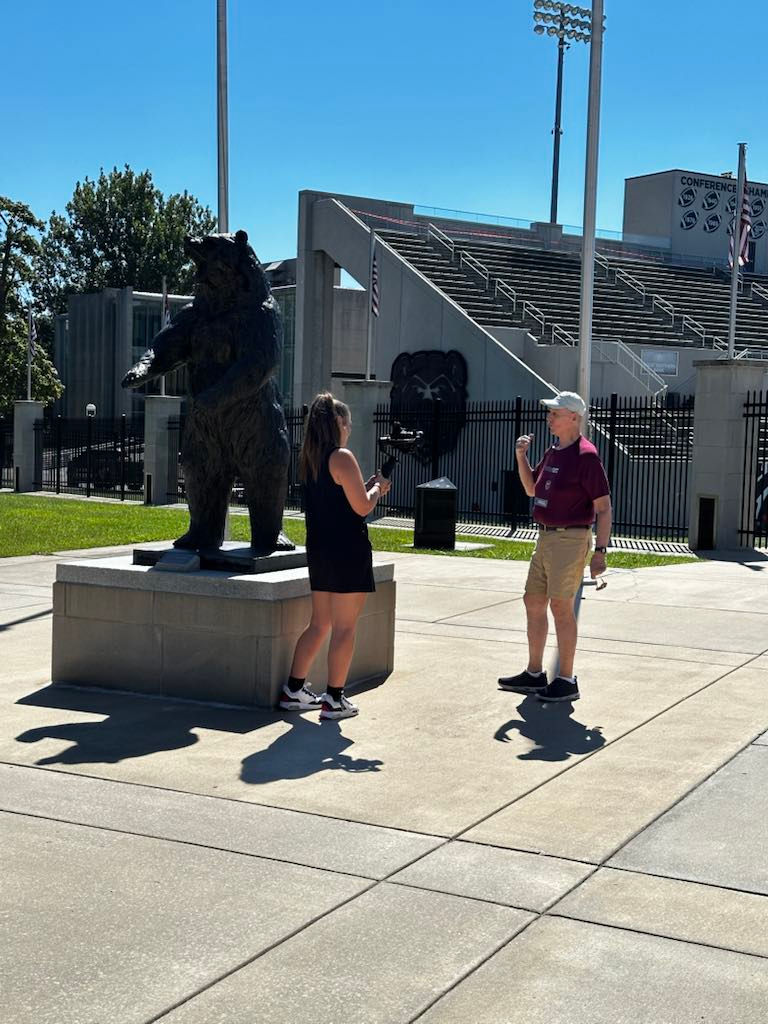
Last season, that same instinct for storytelling pushed me to create our weekly cinematic recaps for MSU Football, pieces that became more than highlights. They became a heartbeat. Every week, I recruited and directed a team of student videographers, guiding them on the shots that would pull viewers behind the curtain: the quiet moments before kickoff, the tension in the locker room, the raw emotion on the sideline. We weren’t just documenting games; we were building connection. Those recaps took off on X and Facebook and exploded on TikTok and Instagram, consistently pulling 20K to 30K views and becoming our most engaging content across every platform.

Two seasons ago, I created The Maroonprint, a multi‑episode series about our players, coaches, and the history of MSU Football. One episode focused on our locker room inside historic McDonald Arena and the underground tunnel players once ran through onto the field. That story didn’t just resonate, it sparked a multi‑million‑dollar campaign to remodel McDonald Arena, build new locker rooms, weight rooms, and staff offices, and bring the tunnel back to life. That’s the power of long‑form storytelling. It doesn’t just capture history. It moves people to build the next chapter.
Why Long Form Storytelling Is the New Standard
Short form is saturated, and long form is where differentiation happens. Every athlete has highlights. Every team has hype videos. Every program posts the same formats. But long form storytelling creates emotional investment, reveals identity, builds trust, and gives context to the moments fans cheer for. In a world where attention is fragmented, depth is the new currency.
Fans want connection, not just content. They don’t fall in love with a stat line. They fall in love with the walk‑on who never quit, the senior who came back from injury, the international athlete who found a second home, the coach who rebuilt a culture. Long form storytelling gives fans a reason to care beyond the scoreboard.
NIL demands clarity of identity. Sponsors aren’t buying reach anymore; they’re buying alignment. A long form feature shows who the athlete is, what they value, how they communicate, and what makes them trustworthy. It’s the difference between influencer and partner.
Universities need brand‑safe, purpose‑driven narratives. A school’s brand is bigger than wins and losses. It’s culture, values, and legacy. Long form storytelling is the most effective way to show recruits, parents, donors, and sponsors what the program stands for.
What Long Form Storytelling Does for Each Stakeholder
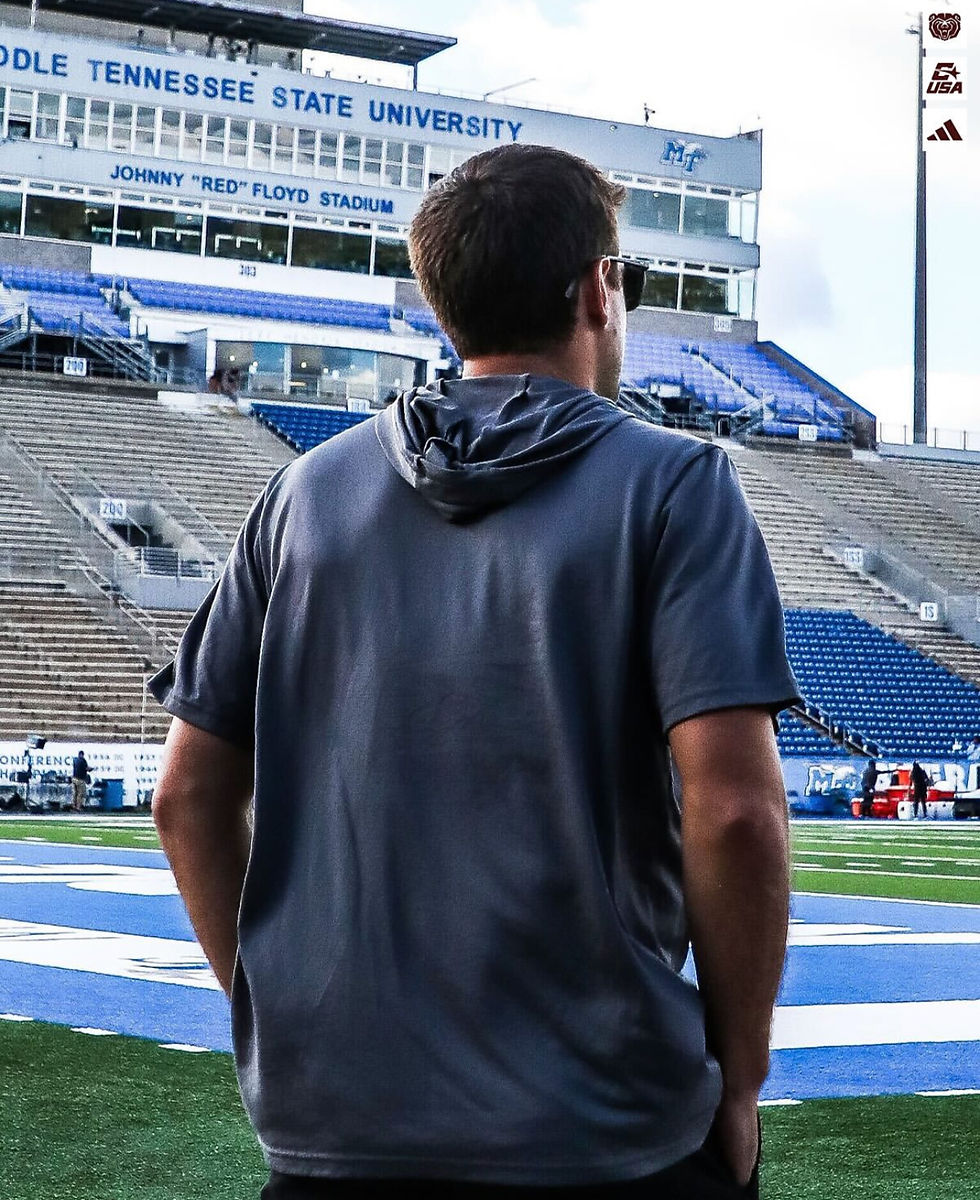
For the athlete, it humanizes them beyond performance, builds a brand rooted in identity, creates sponsor‑ready clarity, documents their journey for future opportunities, and strengthens trust with fans and the community. A great feature becomes part of their legacy.
For the team, it reinforces culture, attracts recruits who see themselves in the story, builds internal pride and cohesion, and elevates the program’s national perception. Teams with strong storytelling feel bigger than their record.
For the university, it showcases institutional values, strengthens alumni and donor engagement, creates evergreen assets for marketing and admissions, and positions the school as a place where athletes grow as people. It becomes a recruitment tool far beyond athletics.
For sponsors, it provides authenticity they can trust, a narrative they can integrate into campaigns, a partner who feels human rather than transactional, and brand alignment that lasts longer than a single post. Long form storytelling is the foundation of long‑term NIL partnerships.
How to Create Long Form Stories That Actually Matter

Start with identity, not content. Before you ever pick up a camera, you need to understand who the athlete is, what they stand for, and what the emotional core of their story is. If you can’t answer those questions, you’re not ready to film.
Build trust first. The best stories come from athletes who feel safe. That means listening more than directing, letting them speak in their own voice, honoring their boundaries, and showing them the final product before the world sees it. Trust is the real production value.
Focus on the why, not the what. Anyone can show a workout. Only storytelling explains why they train, why they stayed, why they fight, and why it matters. The why is where emotion lives.
Use pacing to reveal depth. Great long form storytelling has rhythm: quiet moments, reflective moments, triumphant moments, vulnerable moments. You’re not just documenting; you’re composing.

Let the athlete lead the narrative. The story should feel like “This is who I am,” not “This is what the department wants to say about me.” Authenticity is the differentiator.
The Key Elements of Powerful Athletic Storytelling
Every great feature needs a clear narrative arc with a beginning, middle, and end. It needs emotional truth, not drama or exaggeration, but honesty. It needs a visual identity that reflects the athlete’s personality through environment, texture, pacing, color, and sound. It needs purpose, answering what the story reveals about the athlete, team, or culture. And it needs connection, leaving the viewer feeling like they truly know the person on screen.
Why This Era Belongs to Storytellers
Athletics is no longer just about performance. It’s about identity, humanity, and connection. Long form storytelling is the bridge between athletes and the world that supports them: fans, families, sponsors, and future recruits. Programs that master this aren’t just creating content. They’re building legacy. And in this new era, legacy is the most valuable asset a program can own.

Regan Jones is the lead Athletics Videographer for Missouri State University, where she captures the energy and emotion of over 19 NCAA sports. As the founder of My Charmed Productions, she brings a cinematic edge to team branding, athlete storytelling, and sports media strategy. Her passion for the lens began in second grade with a camcorder and a cast of siblings, crafting music videos and backyard plays. By eighth grade, she was creating hype videos for the Greenwood Bulldogs Championship Football teams, and she hasn’t looked back since.


Comments