Building a Creative Team: "What I Look For in Student Talent”
Building Creative Excellence on a Budget

At Missouri State, I’m the sole content creator for 19 NCAA sports producing hype videos, photography, and graphics with gear I’ve personally purchased: cameras, lenses, lighting, mics, software, even two wagons to haul it all.

With limited resources, I’ve had to get creative in building a team. Some student creators found me through social media; others I scouted myself. One standout is a 14-year-old whose mom keeps score at basketball games. He earned a sideline pass, posted his shots, and now contributes when he can get a ride.

For football, entering a new conference meant elevated expectations. I tapped into a group of student photographers already attending practices and hired one as an intern. When the team needed a graphic designer, I found someone who built a full brand system, integrating colors, fonts, logos, and uniforms into game day graphics, score updates, and more.
What Great Creators Have in Common
Whether they shoot photos, edit hype videos, or design graphics, the best sports creatives share more than just technical skill, they share a mindset. Across disciplines, there’s a set of traits that consistently shows up in those who elevate athlete storytelling and team branding.
Empathy
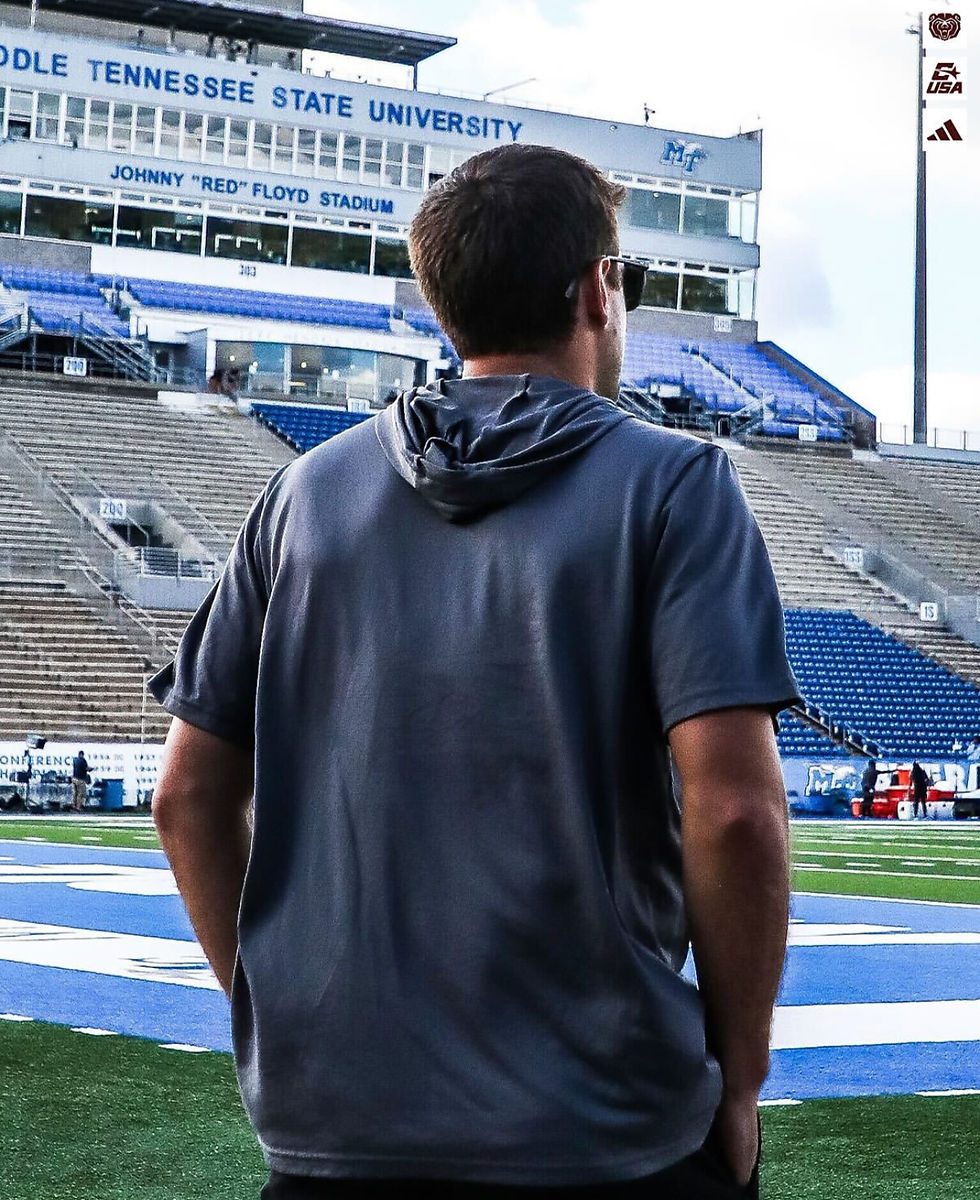
Great creators care about the athlete’s story, not just the content. They understand that behind every touchdown, every sprint, every stare into the camera is a person with pride, pressure, and purpose. Empathy shows up in the way they frame a shot, choose a quote, or time a transition. It’s the heartbeat of authentic storytelling.
Collaboration
No ego. Just excellence. The best creators work seamlessly with coaches, SIDs, teammates, and fellow creatives. They know when to lead and when to listen. They ask questions, share credit, and build trust, because great content is always a team effort.
Adaptability

Rain delays. Last-minute lineup changes. Broken gear. Unexpected overtime. Outstanding creatives don’t flinch, they pivot. They find the shot, fix the mic, rework the graphic, and still deliver. Adaptability isn’t just a skill; it’s a survival trait in sports media.
Vision
They see beyond the moment. Great creators understand how a single post fits into a season-long narrative, how a graphic supports recruiting, how a video builds brand equity. They don’t just make content, they build strategy.
Ownership

They take pride in their work. They advocate for proper credit. They push for growth, not just in their own skills, but in the systems around them. Ownership means showing up early, staying late, and caring deeply about the final product.
These traits aren’t just nice to have, they’re non-negotiable in the creative culture. Because when you combine empathy with vision, and collaboration with ownership, you don’t just get good content, you get legacy.
How to Grow a Creative Team with Purpose

In sports media, building a team isn’t just about filling roles, it’s about nurturing voice, skill, and confidence. Whether you’re working with student creators, freelancers, or full-time staff, the goal is the same: create a culture where people feel trusted, challenged, and seen.
Here’s how you can apply it to your own creative ecosystem.
1. Start with Ownership
Give creators real responsibility, not just tasks, but outcomes. Let them lead a project, pitch an idea, or own a recurring series. When someone feels trusted to deliver, they rise to the occasion. Ownership builds pride, accountability, and momentum.

2. Teach the Why, Not Just the How
Don’t just show them how to edit a graphic or cut a video, explain why it matters. Help them connect creative choices to audience impact, brand tone, and athlete goals. This turns button-pushers into strategic thinkers. It’s not just about making content, it’s about making content that moves people.
3. Offer Constructive, Timely Feedback
Feedback isn’t correction, it’s investment. Use the creative sandwich: compliment → critique → compliment. Be specific. “This transition was clean, but the pacing felt rushed. Try letting the emotion breathe.” When feedback is thoughtful and timely, it builds trust and accelerates growth.
4. Expose Them to Excellence
Show them great work from other programs, creators, and campaigns, but don’t push mimicry. Let them analyze what works and why. Encourage inspiration, not imitation. Voice develops when creators feel safe to explore and confident enough to refine.
How to Help Creators Find Their Voice
In sports media, technical skill gets you in the door, but voice is what makes you unforgettable. It’s the blend of style, perspective, and confidence that turns a good creator into a great one. And it doesn’t happen by accident. It happens when leaders build environments where voice is nurtured, not just noticed.

1. Encourage Personal Style
Let creators experiment with color grading, transitions, typography, pacing. Ask them, “What story do we hope to tell?” Voice emerges when creators feel safe to explore. It’s not about pushing trends, it’s about helping them discover what feels true.

2. Protect Their Perspective
Don’t overwrite their edits or dilute their tone. If something feels off, ask questions before making changes. Respect builds voice. When creators feel heard, they lean in. When they’re micromanaged, they shrink.
3. Give Them a Platform
Feature their work publicly. Tag them. Credit them. Let them speak on panels, in blogs, or behind the camera. Voice grows louder when it’s heard. Visibility isn’t just validation, it’s momentum.
4. Mentor Through Storytelling
Help them find their rhythm, what moments they gravitate toward, what emotions they capture best. Show up in the writing process too: captions, blog intros, video scripts. Voice isn’t just visual, it’s narrative. And it’s shaped through repetition and reflection.
5. Model Authenticity
Share your own creative journey, the pivots, the doubts, the breakthroughs. When leaders are real, creators feel free to be real too. Authenticity isn’t taught. it’s modeled.
Lessons from Regan’s Journey

For aspiring creatives:
• Start early, even if it’s scrappy
• Own your voice: don’t mimic, refine
• Seek feedback, but protect your perspective
• Build relationships: your network is your runway
• Create with purpose: every frame should say something
For mentors and leaders:
• Give real responsibility, not just tasks
• Celebrate progress, not just perfection
• Model authenticity: your story gives others permission to grow
Final Thought: Voice Is a Legacy
The best creative teams aren’t built overnight, they’re nurtured through intentional leadership. When you give space, set standards, and lead with empathy, you don’t just grow skills. You grow storytellers. You grow leaders. You grow legacy.

Regan Jones is the lead Athletics Videographer for Missouri State University, where she captures the energy and emotion of over 19 NCAA sports. As the founder of My Charmed Productions, she brings a cinematic edge to team branding, athlete storytelling, and sports media strategy. Her passion for the lens began in second grade with a camcorder and a cast of siblings, crafting music videos and backyard plays. By eighth grade, she was creating hype videos for the Greenwood Bulldogs Championship Football teams and she hasn’t looked back since.


Comments